Day Trips From Rome
Fourteen of the best day trips from Rome, from Tivoli's villas and Orvieto's cliffs to Ostia Antica, the Alban Lakes, and Sperlonga's beaches.
The first ten spots are easy to reach by public transport. The last four are best done by car.
Tivoli
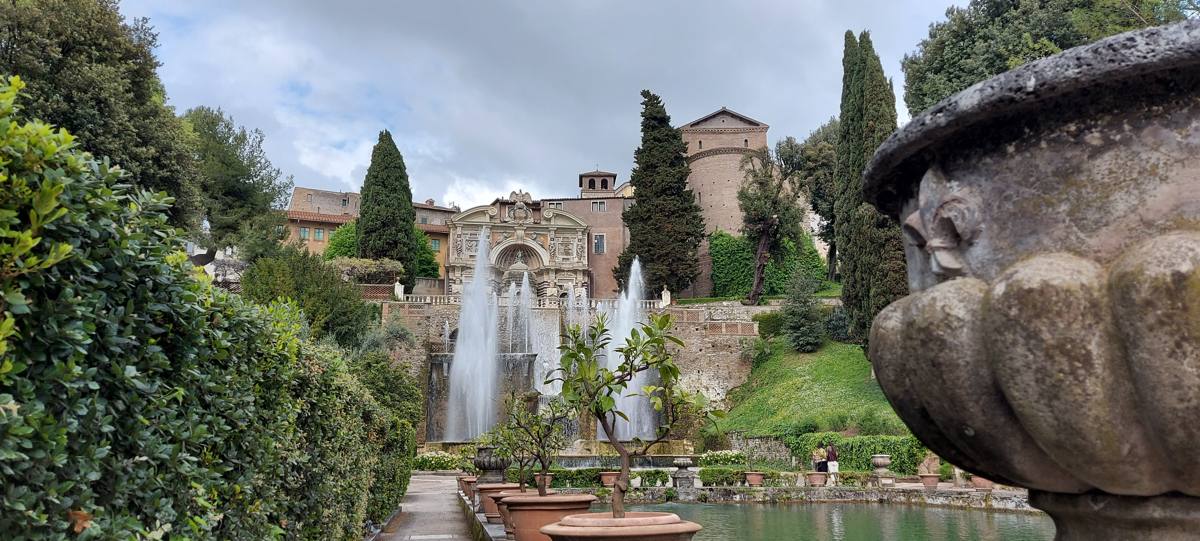

Perched on the hills east of Rome, Tivoli was where emperors, cardinals, and wealthy Romans escaped the summer heat for centuries. Today it’s one of the most rewarding day trips from the city, with two world-famous villas just a few kilometers apart and a lively little town in between.
Plan on a full day here, about 5 to 6 hours, if you want to see both of Tivoli’s UNESCO sites. Villa d’Este is all terraced gardens and hundreds of fountains, and Hadrian’s Villa is the sprawling ruin of the emperor’s country retreat. Between them, grab pizza bianca or porchetta from a town bakery.
Getting there: Take Metro B to Ponte Mammolo and catch a Cotral bus to Tivoli, about 45 minutes to an hour, or take a regional train from Roma Tiburtina in about an hour. Villa d’Este is a short walk from the center, while Hadrian’s Villa sits below town and is easiest by local bus or a short taxi.
Orvieto
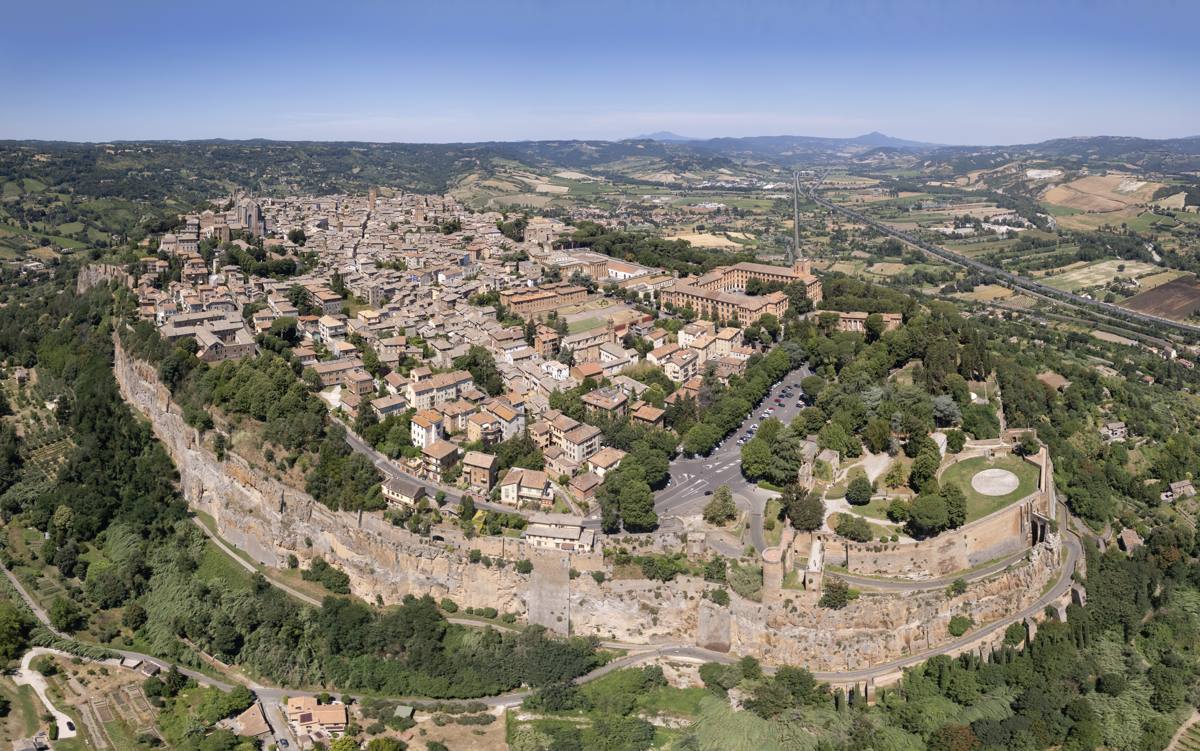

Orvieto rises straight out of the Umbrian countryside on a sheer plateau of volcanic rock, one of the most dramatic first impressions of any town in Italy. It feels like a small city, with a grand cathedral, busy squares, and wine bars, but it’s compact enough to explore comfortably on foot in a day.
Four to five hours is enough to see Orvieto without rushing. This hill town sits on a cliff of volcanic rock, its cathedral has one of the most dazzling facades in Italy, and underneath the town there’s a maze of Etruscan caves you can tour. Orvieto Classico is the famous crisp white wine, and it pairs perfectly with umbricelli, a thick hand-rolled pasta often served with truffles.
Getting there: Regional trains run from Roma Termini to Orvieto in about an hour to an hour and a quarter. From the station, a funicular carries you up to the old town in a couple of minutes.
Ostia Antica
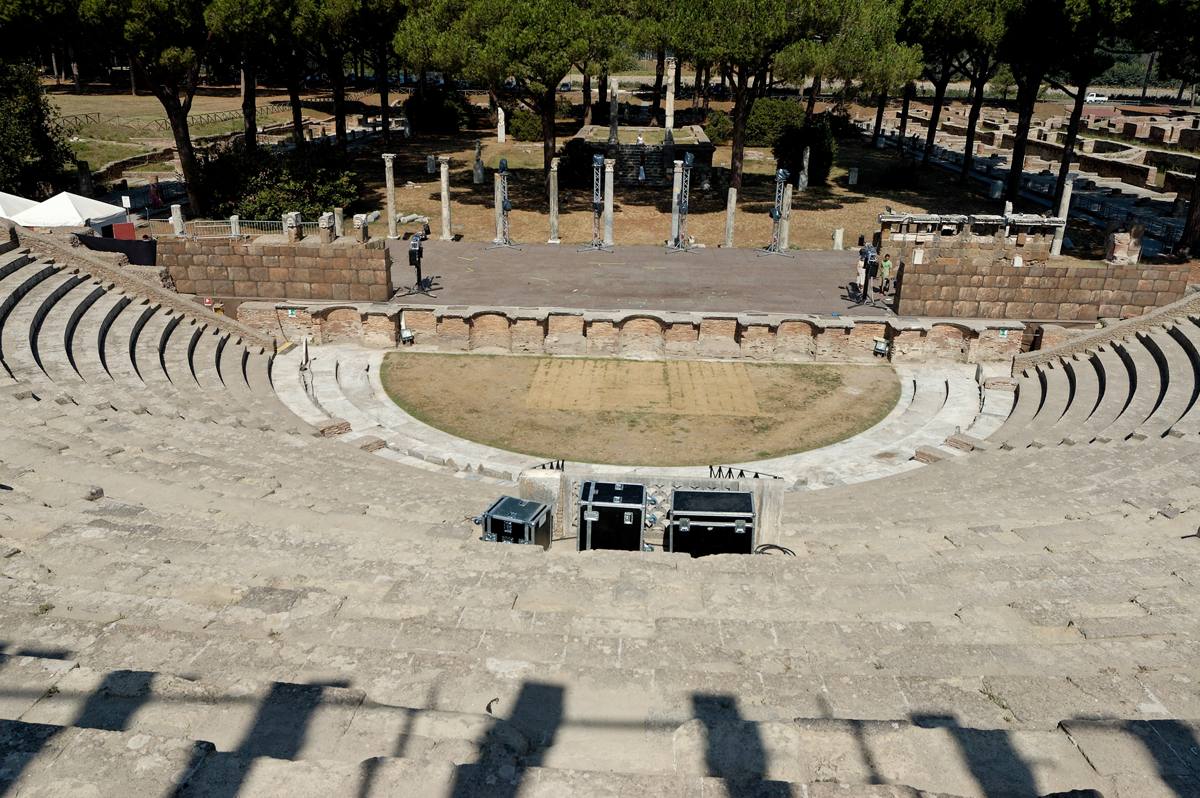

Long before Rome had an airport, Ostia was its gateway to the sea, a busy port town where goods from across the empire came ashore. When the coastline shifted, the town was abandoned and slowly buried, which kept it remarkably well preserved and makes it one of the easiest ancient sites to reach from the city.
Give the ruins 2 to 3 hours, plus a couple more if you continue to the beach. Rome’s ancient port is like a quieter Pompeii, with old streets, a theater, bathhouses, and even a Roman bar counter. Afterward, head to Lido di Ostia for fried seafood and a spritz by the water.
Getting there: Take Metro B to Piramide, then walk to the Porta San Paolo station for the Roma–Lido train. Get off at Ostia Antica, about 30 minutes later, and the ruins are a short walk away. A regular Rome transit ticket covers the ride.
Frascati
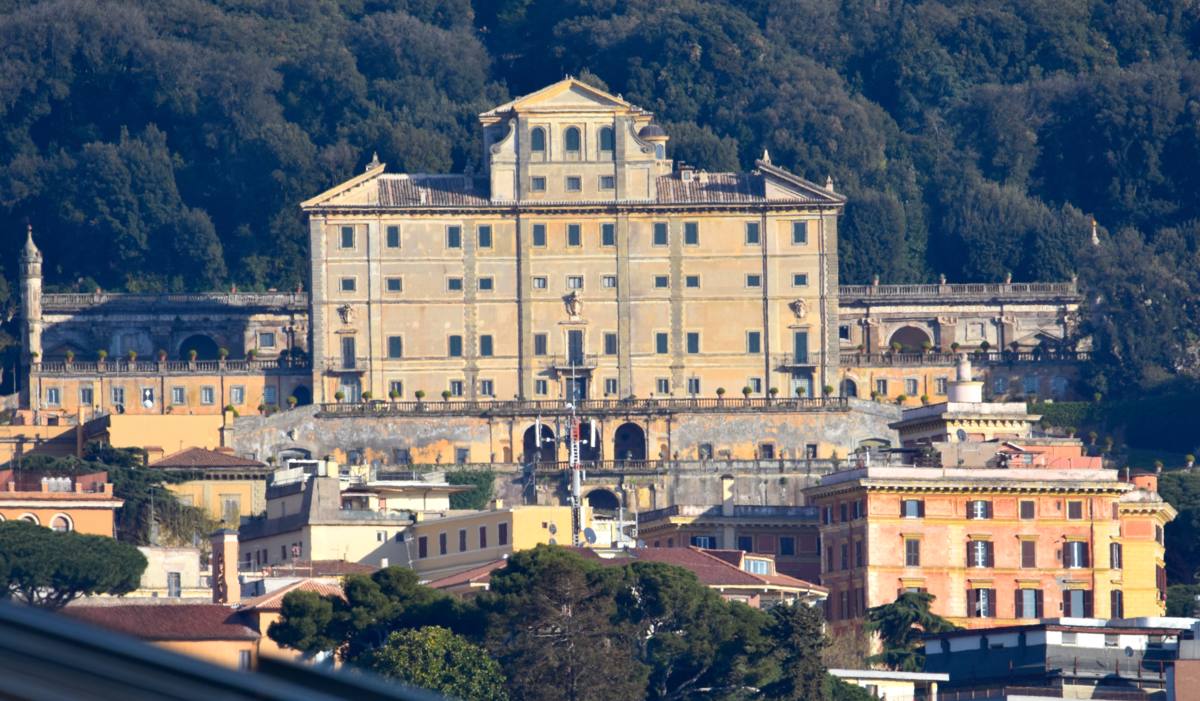

Frascati is where Romans go when they want a long, lazy lunch with a view. Set on the slopes of the Alban Hills, it’s been famous for its wine and its grand noble villas since the Renaissance, and on a clear day you can see all the way back to St. Peter’s dome.
Frascati is a half-day place, about 3 to 4 hours, and most of that is a long lunch. It’s the gateway to the Castelli Romani hill towns, and the local white wine flows freely in the fraschette, simple taverns where you share a table over porchetta, cheese, and bread. Walk up to the terrace by Villa Aldobrandini for a view back to Rome.
Getting there: A regional train from Roma Termini reaches Frascati in about 30 minutes. The station is at the bottom of town, so expect a short uphill walk.
Viterbo
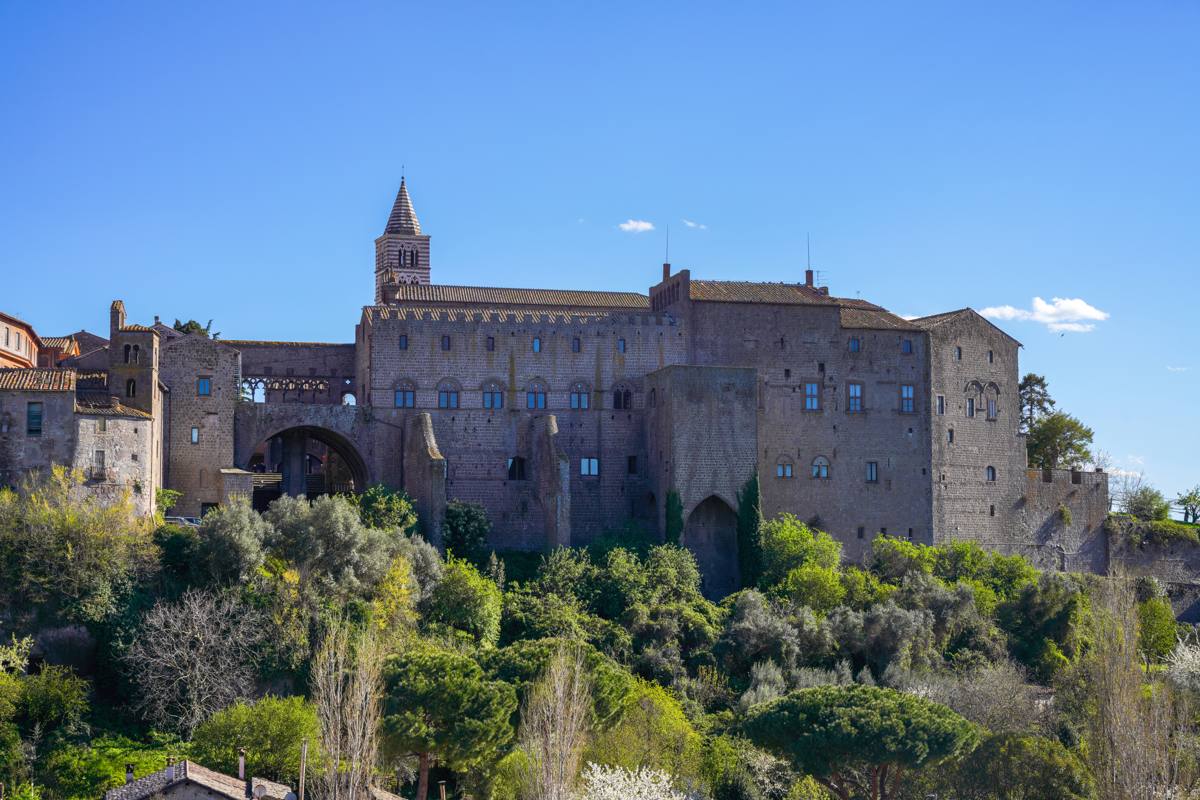

Viterbo is a medieval city that most tourists skip, which is exactly why it’s worth the trip. For a while in the 1200s it was the home of the popes, and its stone quarters, fountains, and towers still feel like they’ve barely changed since then.
Plan on 4 to 5 hours, more if you want a long soak at the springs. Viterbo has one of the best-preserved medieval quarters in Italy, San Pellegrino, plus the Palazzo dei Papi, where popes lived in the 1200s. Natural hot springs sit just outside town, and the local wine to order is Est! Est!! Est!!! from nearby Montefiascone.
Getting there: The FL3 regional train runs from Roma Ostiense or Valle Aurelia to Viterbo Porta Romana in about an hour and three quarters to two hours. The historic center is a short walk from the station, and the springs are a short taxi ride out of town.
Lake Bracciano
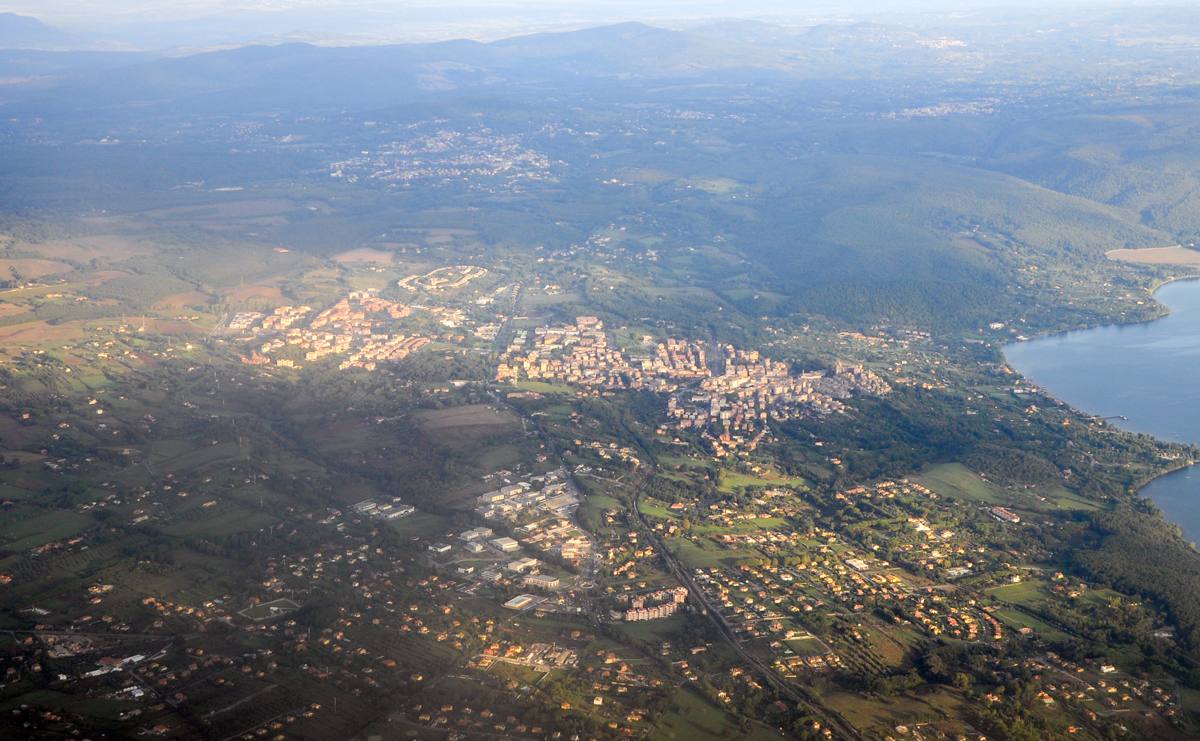

Lake Bracciano fills an ancient volcanic crater northwest of Rome, and it’s so clean that it supplies backup drinking water to the city. Romans come here to swim, sail, and eat by the water, and the castle-topped town of Bracciano looks like it was drawn for a storybook.
Three to four hours covers the castle and a lakeside lunch, or stay longer on a summer swim day. This volcanic lake is clean enough to swim in, and the town of Bracciano has Castello Orsini-Odescalchi, a storybook medieval castle. Order lake fish like coregone at a spot by the water.
Getting there: The FL3 train from Roma Ostiense or San Pietro gets to Bracciano in about an hour to an hour and a quarter. The castle is about a 15-minute uphill walk from the station.
Anzio
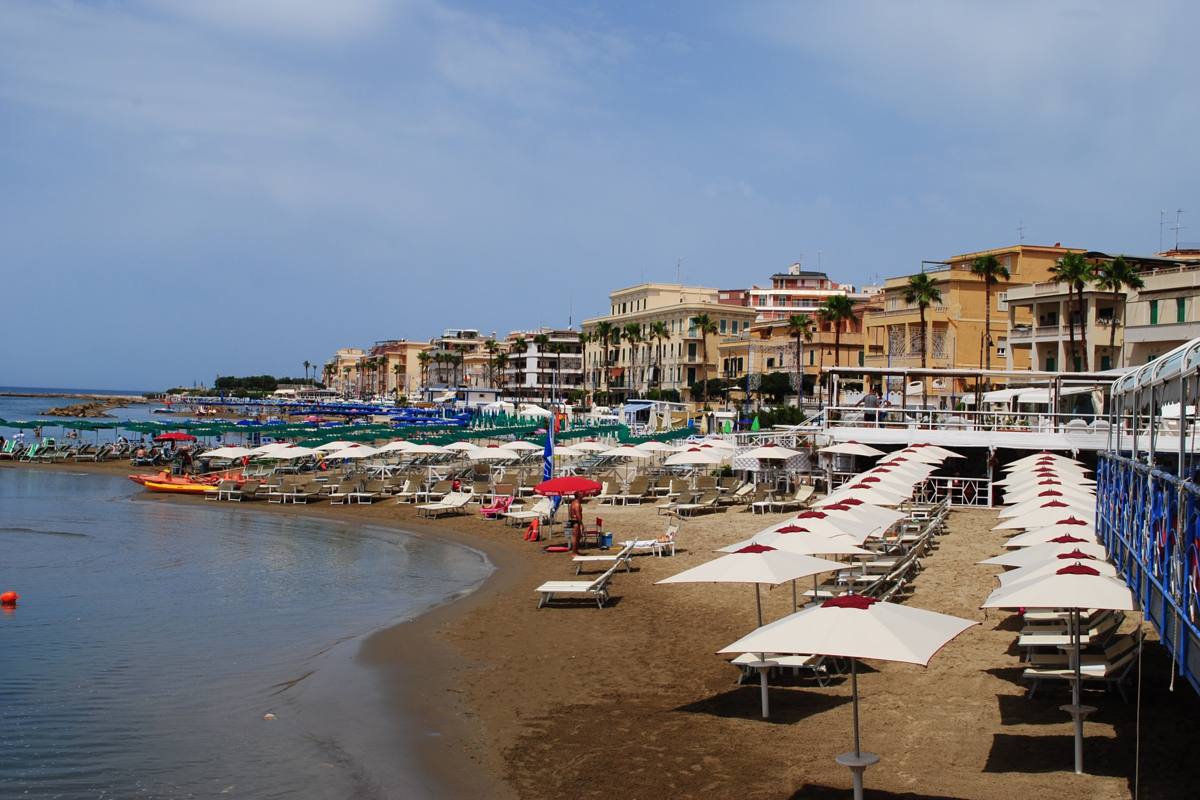

Anzio is a relaxed beach town on the coast south of Rome with a long and surprising history. It was a favorite seaside escape for Roman emperors, including Nero, who was born here, and it was the site of one of the biggest Allied landings of World War II.
Three to four hours is plenty unless you’re planning a beach day. This laid-back seaside town has a busy fishing harbor, sandy beaches, and World War II history from the 1944 Allied landing, with a museum and war cemeteries nearby. The ruins of Nero’s villa sit along the shore, and the harbor restaurants are the place for fried calamari.
Getting there: Regional trains run directly from Roma Termini to Anzio in about an hour. The station is a short walk from the harbor and the town center.
Cerveteri
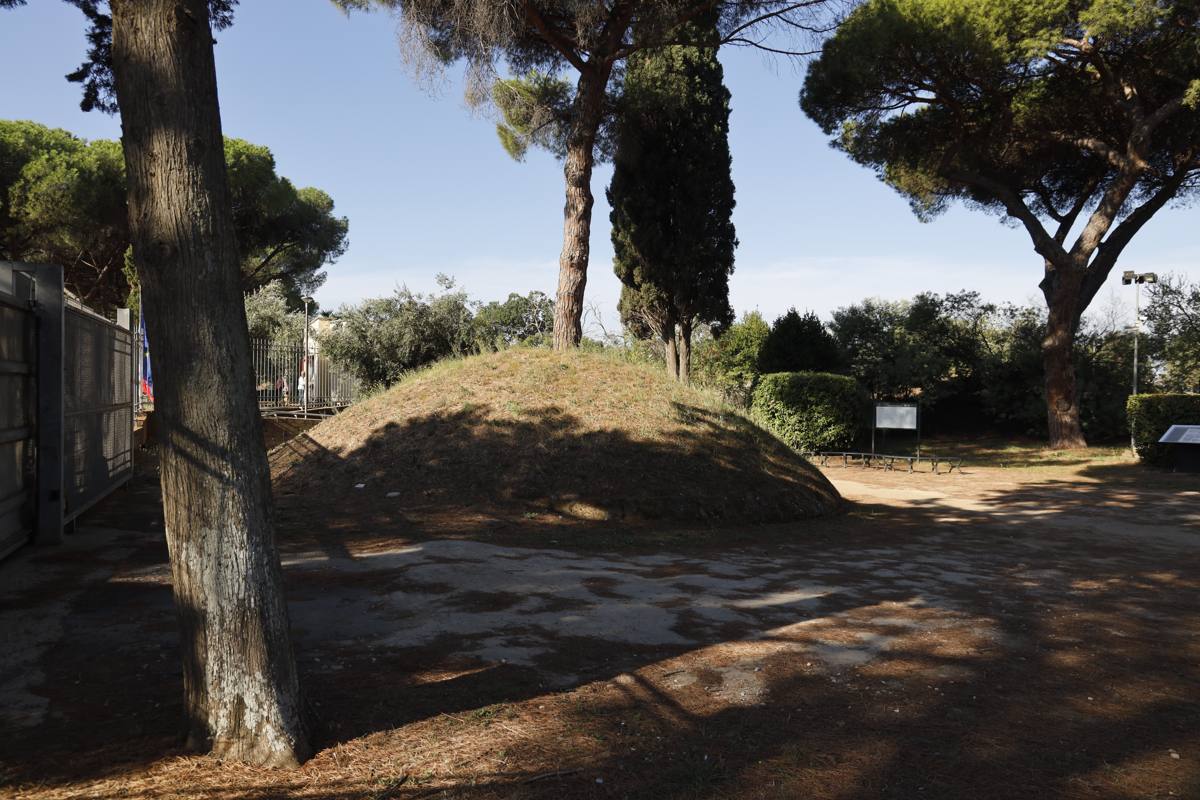

Before Rome took over central Italy, the Etruscans ruled it, and Cerveteri was one of their greatest cities. Very little of their living city survives, but their elaborate tombs do, giving you a rare walk through a civilization that’s still a bit of a mystery.
Two to three hours is enough for the main sight, the Banditaccia Necropolis. It’s a UNESCO-listed city of the dead, with Etruscan tombs shaped like houses and grassy mounds you can walk into. Finish in town with a glass of local Cerveteri wine.
Getting there: Take a regional train from Roma Termini or Ostiense toward Civitavecchia and get off at Ladispoli-Cerveteri, about 40 minutes, then a short Cotral bus or taxi to Cerveteri. The necropolis is a couple of kilometers from the town center.
Spoleto
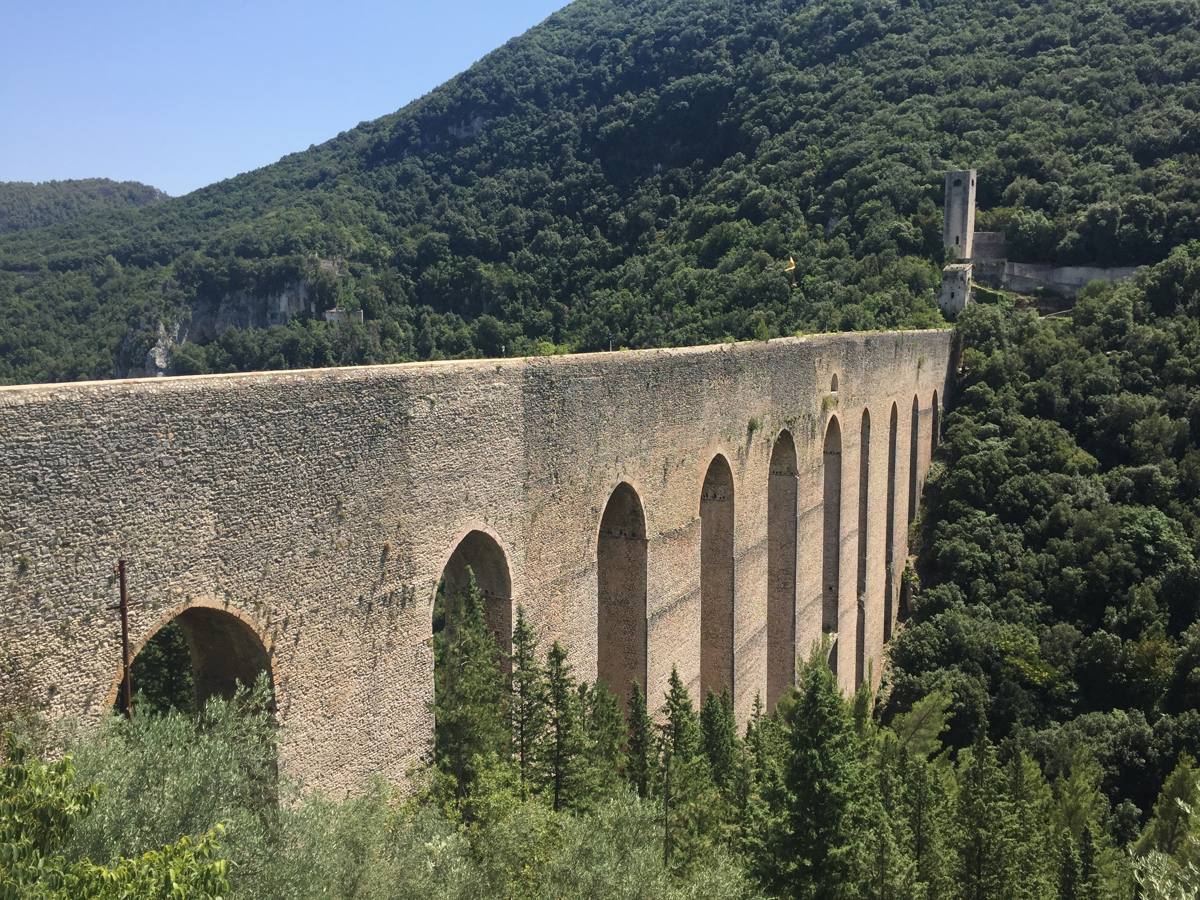

Spoleto is a classic Umbrian hill town of stone lanes, churches, and sweeping valley views, with layers of Roman and medieval history stacked on top of each other. It’s also home to a famous summer arts festival, but it’s lovely and uncrowded the rest of the year.
Spoleto deserves 4 to 5 hours. This Umbrian hill town has a Roman theater, a cathedral with Filippo Lippi frescoes, and the Ponte delle Torri, a dramatic medieval aqueduct bridge over a gorge. It’s black truffle country, so order strangozzi pasta with truffles.
Getting there: Regional and intercity trains from Roma Termini reach Spoleto in about an hour and a half. From the station, escalators and walkways carry you up into the old town.
Anagni
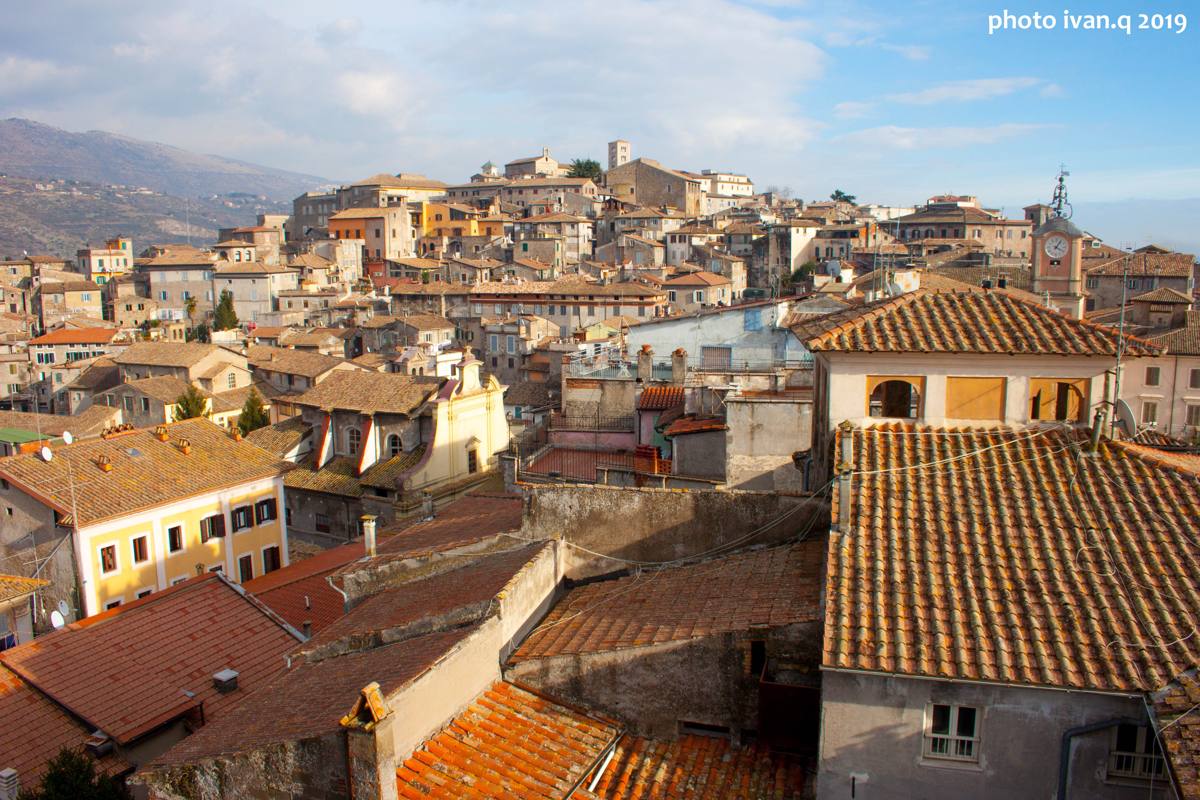

Tucked into the hills southeast of Rome, Anagni is a small medieval town with an outsized role in history. Four popes came from here, and its streets and cathedral still carry the feel of the Middle Ages, with far fewer visitors than you’d expect.
Two to three hours covers Anagni, the “city of popes.” Its cathedral crypt is covered in remarkable medieval frescoes, sometimes called the Sistine Chapel of the Middle Ages, and the Palace of Boniface VIII is where a pope was famously slapped in 1303. Stay for lunch with a glass of the local Cesanese red.
Getting there: Regional trains from Roma Termini go to Anagni-Fiuggi in about 45 minutes to an hour. The town sits up on a hill, so take the connecting bus or a taxi from the station.
Nemi and the Alban Lakes
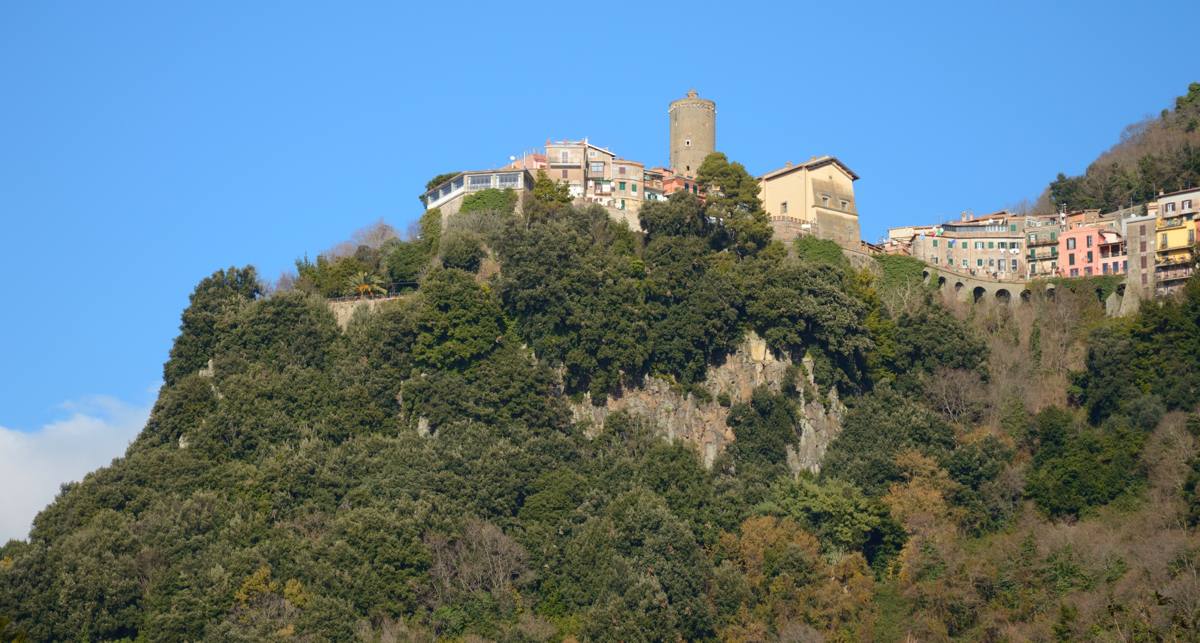

Southeast of Rome, two volcanic crater lakes, Lake Nemi and Lake Albano, are ringed by the hill towns of the Castelli Romani. Each town has its own specialty and its own view, and together they make one of the most charming and delicious drives near the city.
Nobody needs more than about 2 hours in Nemi itself, so make it a full loop of the hill towns around the two crater lakes. Nemi is famous for its tiny wild strawberries, served fresh, in tarts, or in liqueur, and its Museum of the Roman Ships tells the story of Caligula’s floating palaces once sunk in the lake. Nearby Genzano is known for its bread, Ariccia for porchetta eaten at the town’s fraschette, and Castel Gandolfo for the papal summer palace and gardens overlooking Lake Albano. Rocca di Papa, the highest of the towns, has the best views over the whole area.
Getting there (by car): Nemi is about 45 minutes from Rome, heading southeast on the Via Appia. The lake towns are all within 10 to 20 minutes of each other, which is why a car makes this loop easy. Park outside each small center and walk in.
Civita di Bagnoregio
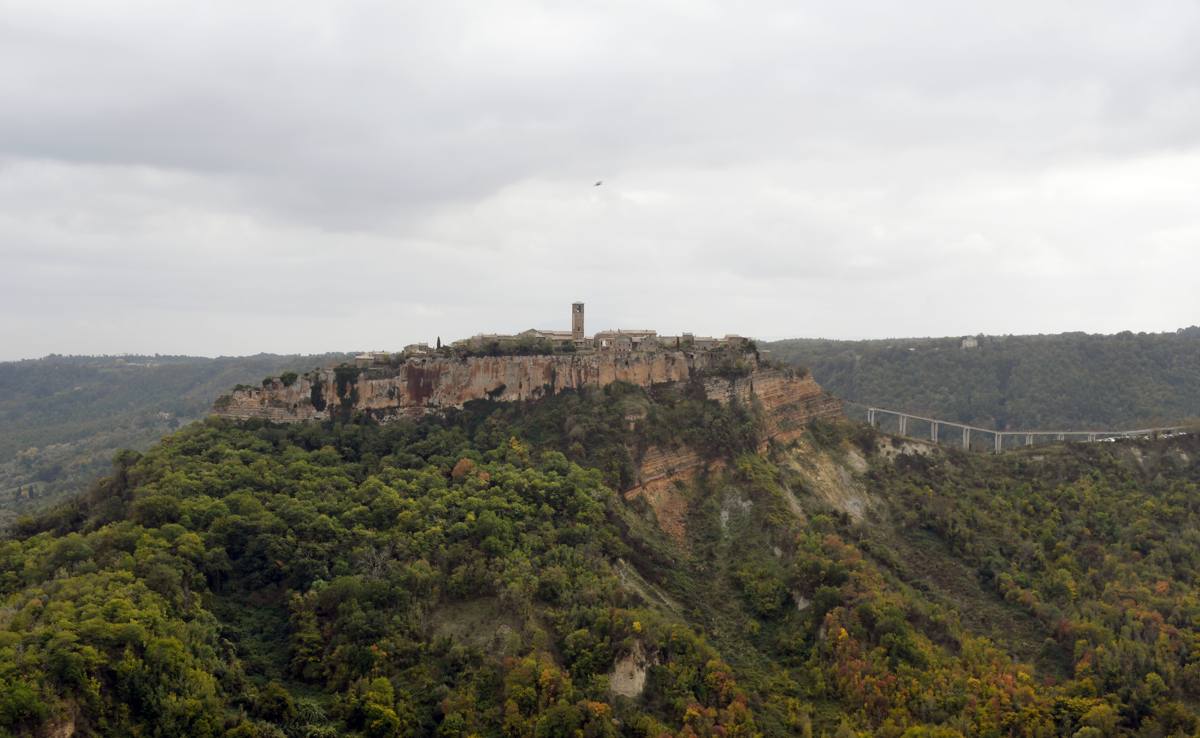

Civita di Bagnoregio looks almost unreal, a tiny village of stone houses balanced on a pinnacle of eroding rock above a wide canyon. Its cliffs are slowly crumbling away, which is why Italians call it “the dying town,” and only a handful of people still live there year-round.
You’ll only need 1 to 2 hours in Civita itself, so pair it with Orvieto for a full day. Called “the dying town,” it sits on a crumbling hilltop reached only by a long footbridge, and it’s especially photogenic in morning mist. Look for pasta with wild boar sauce in the area.
Getting there (by car): Drive about two hours north on the A1 toward Orvieto, then follow local roads to Bagnoregio. Park in town and walk to the footbridge, which has a small entry fee.
Sperlonga
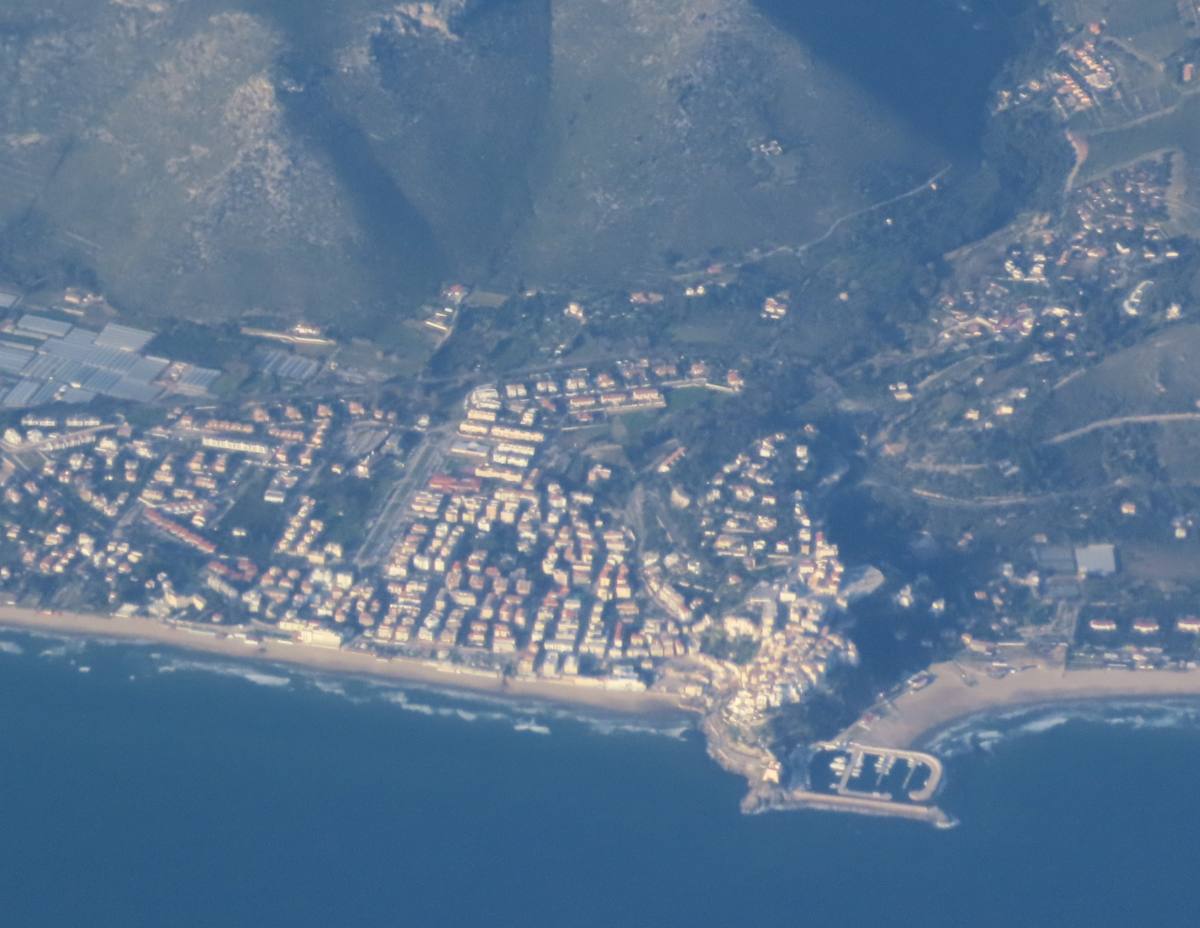

Sperlonga is a bright, whitewashed village on a rocky point above long sandy beaches, halfway between Rome and Naples. It’s regularly named one of the most beautiful villages in Italy, and it feels more like a Greek island than a town just two hours from the capital.
Two to three hours covers the village and the grotto, or make it a full beach day. This whitewashed village sits on a cliff above a sandy beach, and the Grotto of Tiberius has a museum of the statues found in the emperor’s seaside cave. Eat seafood pasta at a spot right on the sand.
Getting there (by car): Sperlonga is about two hours south of Rome by car, mostly along the coastal Via Pontina. Park below the village by the beach, and stop in Terracina on the way if you have time.
Calcata
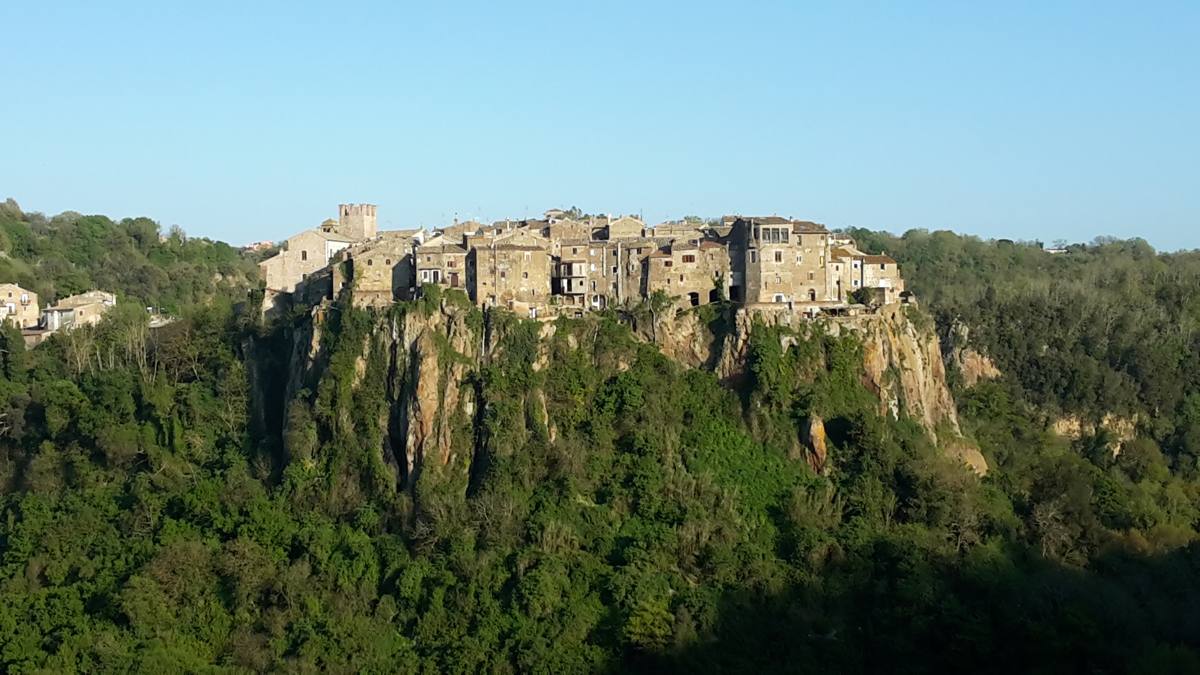

Calcata is one of the quirkiest places near Rome, a tiny medieval village built on a tall outcrop of volcanic rock in a wooded gorge. Declared unsafe and nearly abandoned in the last century, it was brought back to life by artists, and it’s now full of studios, galleries, and a wonderfully bohemian feel.
One to two hours is all Calcata needs, so it works well paired with Lake Bracciano. This tiny medieval village sits on a cliff of volcanic rock and was nearly abandoned before artists and hippies moved in, so it’s full of little galleries and craft shops. Stop at one of the cozy restaurants for a slow lunch.
Getting there (by car): Calcata is about an hour north of Rome along the Via Cassia or Via Flaminia. Park at the lot below the village and walk up over the bridge into town.
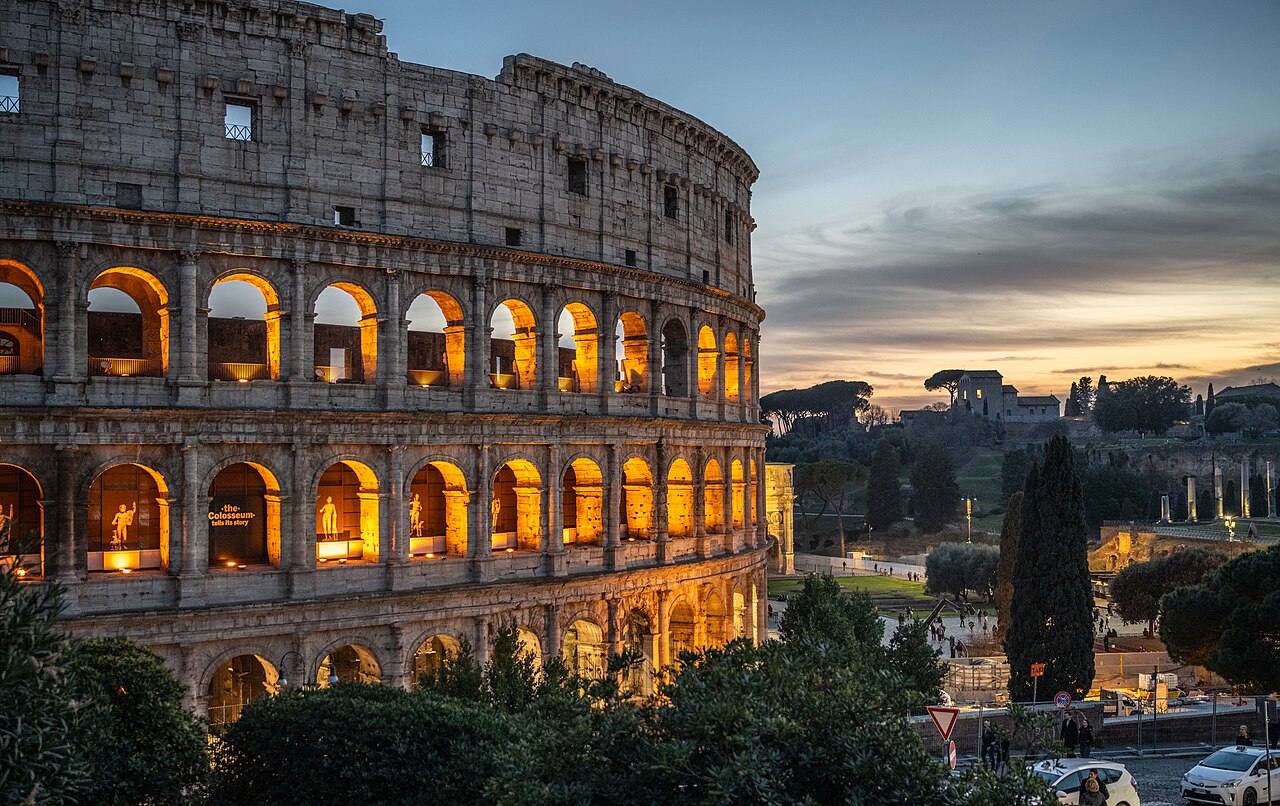
Header photo: Colosseum, public domain (CC0), via Wikimedia Commons.